In our new One Water Voices series, the US Water Alliance sits down with water leaders from across the country to hear about the experiences shaping their work, the challenges they face in their communities, and the lessons learned along the way.
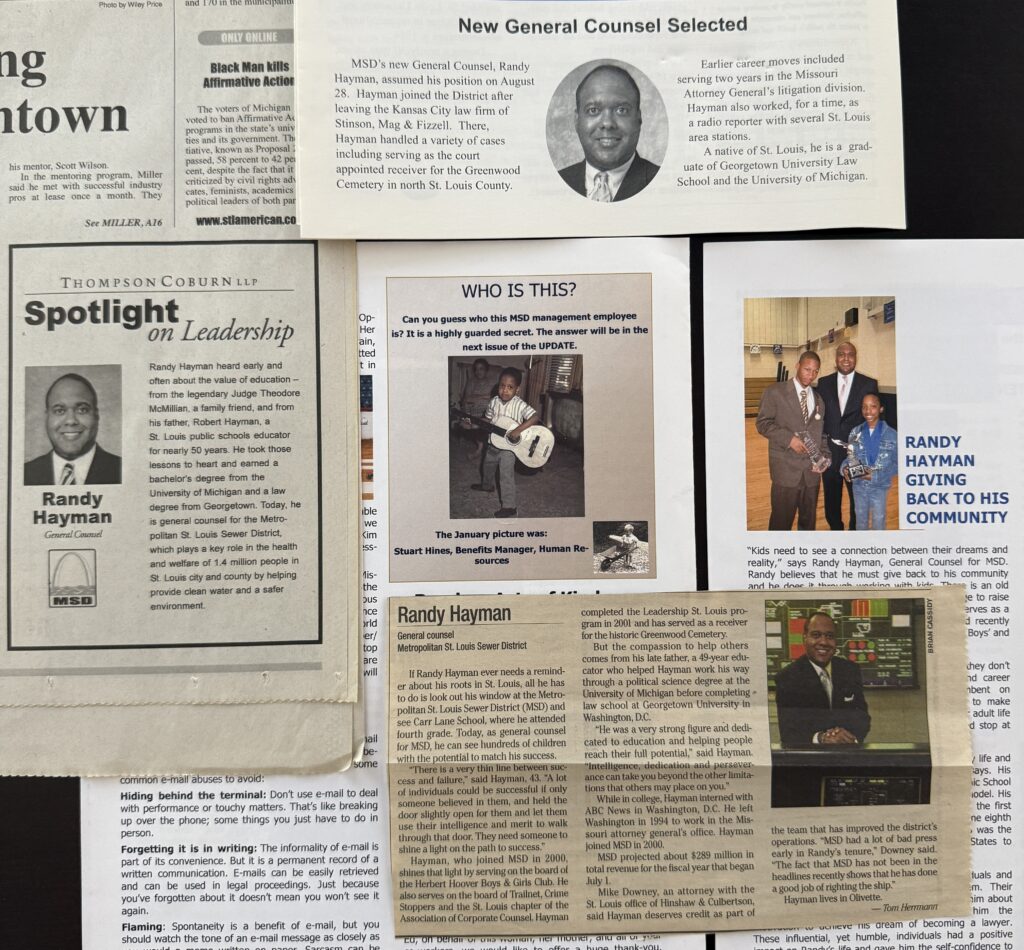
For this conversation, we spoke with Randy Hayman, Executive Director of the Sewerage and Water Board of New Orleans. He has held previous leadership roles at water utilities in St. Louis, Washington, DC, and Philadelphia, and brings a unique perspective to challenges facing urban water systems.
Going from Philadelphia to New Orleans, what surprised you most, and what are some similarities?
What surprised me the most? Good people and good food in both places. But seriously, when you look at the water utilities in both cities, you’re looking at very dense cities – different in size, but both very dense. You’re also dealing with aging infrastructure that needs repair and financially distressed communities that have difficulty addressing those needs. One difference is that Philadelphia has been able to raise rates enough to make regular repairs to the system.
You’ve built a career in an industry most people don’t think about until something goes wrong. What’s kept you in it?
Why did I stay? I felt there was a need. There’s a need for leaders in the water community, and there still is. I’ve also been given so many wonderful opportunities. I’ve loved working in water and wastewater. It wasn’t something I went to law school thinking I was going to do, but people who work in water are some of the smartest and nicest people I know. I’ve enjoyed the opportunities it’s given me, and I try my best to share those opportunities with other people.
How is New Orleans applying a One Water approach to its systems planning, particularly given its vulnerability to flooding and sea level rise?
We have to look at water differently. We’re in an area where we have to drain water because we’re below sea level, so there are inherent concerns that other cities don’t have. We’ve also changed our mindset. We have to move away from looking at water as an issue and toward looking at it as something that can be managed and used. That means moving away from gray infrastructure where possible and where it makes financial sense, and moving more toward green infrastructure.
With increasing climate pressures like hurricanes and heavy rainfall, how are you prioritizing proactive infrastructure investment to protect both water systems and vulnerable communities?
We have a plan in place that will allow us to invest $2 billion over a series of decades to make the improvements we need.
This is a new era in water and for the city. We’ve made a major effort to modernize the city’s power system, expanded drainage capacity, and we’re bringing water, wastewater, and drainage operations under one integrated framework. At the same time, we have an obligation to educate the public about what they’re going to get from these investments and why we need them. We have to work with the community, develop buy-in, and learn from residents what will best serve them.
Water affordability is top of mind for many Americans. As a utility leader, how are you thinking about long-term affordability strategies in New Orleans, and what guidance would you offer other utilities grappling with this issue?
Water affordability is a critical issue. I strongly believe that those who can pay for water should. For those who have difficulty, we have an obligation to develop a safety net that allows them to access the same safe, secure water as everyone else.
At the same time, we’ve kicked the can down the road when it comes to maintaining our water and wastewater systems—and that’s not unique to one city; it’s happening across the country.
In New Orleans, we partnered with Promise to develop the PromisePay program. We look at a customer’s income and develop a payment amount that provides a safety net. As long as they make those payments, they don’t have to worry about penalties, fees, or water disconnection. It gives people the security of knowing they’ll have water and a predictable budget they can live within.
New Orleans faces unique water management challenges tied to its geography, complex systems, and equity pressures. What lessons from your experience are you applying to help advance a more integrated approach in the city?
One key – and I say it all the time – is that we have to put pen to paper. We have to sharpen our numbers and be fiscally responsible in what we’re doing. In New Orleans, we’re below sea level, so drainage is a major concern. We have to secure funding and keep our traditional programs alive, but I also believe we need a new source of federal funding for distressed cities that simply don’t have the ability to raise rates.
We’ve entered a new era of water. We can’t just put a Band-Aid on these systems or kick the can down the road. We have to aggressively take on the challenge of finding the funding needed to secure our systems – not only for us, but for our grandchildren and great-grandchildren who will follow.